









Die Bedürfnisse der Kinder stehen beim Sprachenlernen im Vordergrund. Je nach Alter, Entwicklungsstand und Vorkenntnissen werden die Kinder unterschiedlichen Lerngruppen zugeteilt. Die Kinder sind in Altersgruppen von
- 3 - 6 Jahren
- 6 - 9 Jahren
- 9 - 12 Jahren aufgeteilt.
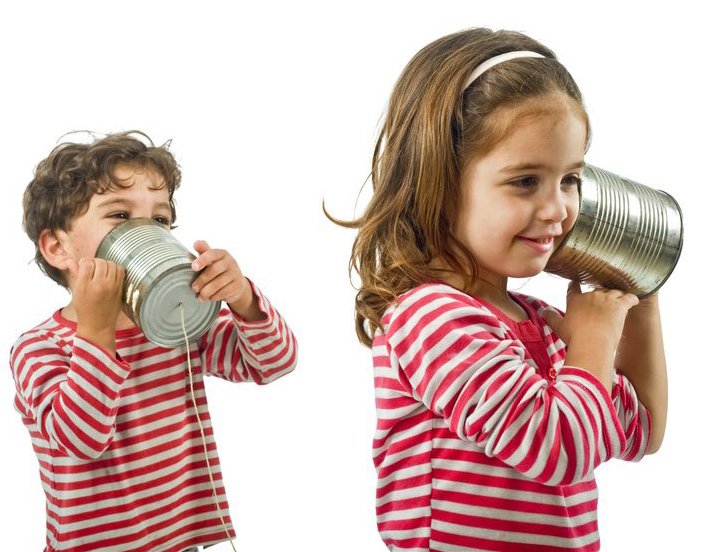
Frühenglisch - die Altersgruppe von 3 - 6 Jahren
Die jüngste Lerngruppe umfasst vorschulische Lerner, die meist noch nicht lesen und schreiben können. Die Sprachvermittlung erfolgt daher hauptsächlich über Bilder, Lieder und Spiele.
Englisch für Kinder - die Altersgruppe von 6 - 9 Jahren
Bei den Sechs- bis Neunjährigen erfolgt eine erste Hinführung an die geschriebene Sprache. Schrittweise lernen sie einzelne Wörter zu schreiben und anschließend einfache Sätze zu bilden.
Englisch für Kinder und Jugendliche - die Altersgruppe von 9 - 12 Jahren
Die älteste Gruppe setzt sich aus Kindern zusammen, die aufgrund schulischer Entwicklung bereits lesen und schreiben können. Je nach Lernstand können bereits einfache grammatische Dimensionen anschaulich vermittelt und intensivere Wortschatzarbeit betrieben werden.

Für alle drei Altersgruppen stehen eigene Materialien zur Verfügung, die sich ebenfalls an den oben beschriebenen Gruppen orientieren. Durch eine Vielzahl an Methoden gestalten sich die Spielstunden abwechslungsreich. Konkrete Lernerfahrungen, Interaktionen, Lieder und multisensorisches Lernen unterstützen das spielerische Kennenlernen der neuen Sprache.